Source auto brake pads for cars, buses, and trucks
Find 30 listings for auto brake pads from Chinese manufacturers. Buyers can compare specifications, materials, and certifications for vehicles including cars, buses, and trucks.
Key considerations
Products List




Comprehensive Sourcing Guide
Strategic Sourcing Guide for Automotive Brake Pads
Navigating the global market for automotive brake pads requires a disciplined approach that balances technical performance, regulatory compliance, and supply chain reliability. For procurement professionals, the core keyword "auto brake pads" represents a critical safety component where material composition, manufacturing standards, and supplier verification are paramount. This guide synthesizes observed market data and industry standards to provide a framework for evaluating potential suppliers and defining precise procurement requirements. The following sections detail the technical landscape, certification verification, cost structures, and quality assurance protocols necessary for a successful sourcing strategy.
Technical Specifications and Material Composition
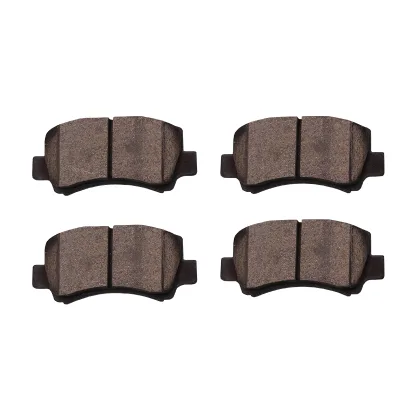
The foundation of any brake pad specification lies in the material composition and physical design. Observed market data indicates that brake pads are primarily manufactured using steel as the base material, often combined with rubber or semi-metallic compounds to achieve the necessary friction characteristics. The standard classification often distinguishes between steel-backed pads and those utilizing specific composite materials. For instance, some listings specify "steel and rubber" or "semi-metal" compositions, which directly influence the thermal conductivity and wear rate of the component.
Buyers must verify the specific model numbers associated with their vehicle platforms. The market exhibits a wide range of model identifiers, such as BH150, D1166, D921, D1608, and D965. These alphanumeric codes are not merely labels but serve as critical identifiers for fitment and performance matching. When sourcing, it is essential to cross-reference these model numbers with the vehicle manufacturer's original equipment specifications. The position of the brake pad is another critical technical attribute; most observed listings specify "Front" positioning, which dictates the load-bearing requirements and heat dissipation needs of the pad.
The physical dimensions and backing plate material are equally vital. The backing plate is typically constructed from steel, providing the structural integrity required to withstand high braking forces. The standard for the backing plate material is often cited as "Stainless Steel" or simply "steel," depending on the corrosion resistance requirements of the target market. Procurement teams should request detailed engineering drawings that confirm the thickness of the friction material, the rivet or adhesive bonding method, and the exact dimensions of the steel backing plate to ensure compatibility with the caliper assembly.
Compliance and Certification Verification
In the automotive aftermarket and original equipment supply chain, certification serves as the primary indicator of a supplier's commitment to quality and safety. The most frequently observed certification in the brake pad sector is ISO certification, with specific references to ISO/TS and ISO9001 standards. These certifications indicate that the supplier adheres to international quality management systems and specific technical specifications for automotive components.
When evaluating a potential supplier, buyers should verify the validity of their ISO certificates and ensure they cover the specific manufacturing processes for brake pads. The presence of ISO/TS certification is particularly significant as it often relates to the Technical Specification for Automotive Suppliers, which mandates rigorous control over product design and production processes. Additionally, some suppliers may reference national standards such as GB (Guobiao), which are Chinese national standards. While GB standards are valid for domestic markets, international buyers must ensure that the product meets the specific regulatory requirements of their destination market, such as ECE regulations in Europe or FMVSS in the United States.
It is crucial to note that certification status is not a universal guarantee for every listed product. Buyers must treat certification as an observation of the supplier's general capability rather than a blanket claim for every SKU. Therefore, the procurement process should include a request for the specific test reports and certification documents relevant to the exact model number being ordered. This due diligence ensures that the specific batch of brake pads meets the required safety and performance benchmarks before they enter the supply chain.
Cost Drivers and Pricing Dynamics
Understanding the cost structure of brake pads is essential for budgeting and negotiation. The observed price range in the market spans from $0.10 to $999.00 USD, a wide variance that reflects differences in material quality, production volume, and brand positioning. Several factors drive these costs, including the type of friction material used, the complexity of the model number, and the level of customization required.
Material costs are a primary driver. Pads utilizing semi-metallic compounds or specialized steel alloys typically command higher prices than those using standard steel or basic rubber composites. The inclusion of customization features, such as specific colors or unique packaging, also adds to the unit cost. Furthermore, the order volume plays a significant role in pricing. The minimum order quantity (MOQ) observed in the market ranges from 1 to 200 sets. Suppliers often offer tiered pricing structures where the unit cost decreases as the order volume increases, with MOQs typically set at 200 sets for standard items.
Lead time is another critical cost factor. A standard lead time of 30 days is commonly observed, but this can vary based on production capacity and raw material availability. Buyers should factor in the potential for extended lead times during peak seasons or when custom specifications are requested. Payment terms, such as T/T (Telegraphic Transfer) or L/C (Letter of Credit), also influence the financial dynamics of the transaction. Understanding these variables allows procurement teams to negotiate more effectively and align their purchasing strategy with their cash flow requirements.
Typical Applications and Market Segmentation
Brake pads are designed for a diverse range of applications, from passenger vehicles to heavy-duty commercial transport. The observed market data highlights that these components are suitable for various vehicle types, including cars and buses. The keywords associated with these products often include "Car Parts," "Bus Steel Back," and "OEM," indicating their versatility across different sectors.
The geographical distribution of the market is equally diverse. Suppliers serve a global clientele, with major markets including North America, South America, Western Europe, Eastern Europe, Southeast Asia, Africa, and Oceania. This global reach suggests that brake pad manufacturers must adhere to a variety of regional standards and customer expectations. For instance, suppliers in China, such as those located in Cangzhou, Zibo, and Shandong, are prominent sources for these components, leveraging local manufacturing capabilities to serve international demand.
The application of brake pads extends beyond just the braking system. They are integral to the overall chassis and driving system, interacting with wheel assemblies and brake control mechanisms. Buyers should consider the specific driving conditions of their target market. For example, vehicles operating in mountainous regions or heavy traffic environments may require brake pads with enhanced heat resistance and durability. Understanding these application nuances helps in selecting the right product specifications and avoiding mismatches between the component and the vehicle's operational demands.
Supplier Evaluation and Selection Criteria
Selecting the right supplier requires a comprehensive evaluation of their capabilities, reputation, and operational stability. The first step is to verify the supplier's location and origin. Many brake pad manufacturers are based in China, with specific hubs in Cangzhou, Zibo, and Shandong. These regions have established supply chains and manufacturing expertise in automotive components. However, buyers should not rely solely on location; they must assess the supplier's production capacity and quality control infrastructure.
Key evaluation criteria include the supplier's ability to handle customization requests. The market data indicates that customization is available, allowing buyers to specify colors, packaging, and even specific model configurations. This flexibility is crucial for private label programs or specialized fleet requirements. Additionally, the supplier's track record with OEM (Original Equipment Manufacturer) partnerships is a strong indicator of quality. Suppliers who accept OEM orders demonstrate their ability to meet strict technical specifications and maintain consistency across large production runs.
Buyers should also review the supplier's payment and communication protocols. Standard payment terms like T/T and L/C are common, but the specific terms should be negotiated to align with the buyer's financial policies. Clear communication channels are essential for resolving technical queries and managing order changes. A reliable supplier will provide timely updates on production status and lead times, ensuring that the procurement process remains transparent and efficient.
Quality Control and Long-Term Procurement Considerations
Quality control is the backbone of a successful brake pad procurement strategy. Given the safety-critical nature of brake pads, buyers must implement rigorous quality assurance measures. This includes requesting pre-shipment inspections, third-party testing reports, and sample evaluations. The observed specifications, such as "High Level" quality and specific material compositions, should be validated through physical testing rather than relying solely on supplier assertions.
Long-term procurement considerations involve building a sustainable relationship with suppliers. This includes establishing clear performance metrics, such as defect rates and delivery reliability. Buyers should also consider the environmental impact of their sourcing decisions, looking for suppliers who adhere to sustainable manufacturing practices. The packaging of brake pads, which can range from plastic bags to wooden cases or customized pallets, should be evaluated for its ability to protect the product during transit and minimize waste.
Furthermore, buyers should plan for potential supply chain disruptions. Diversifying the supplier base and maintaining safety stock can mitigate risks associated with lead time fluctuations or geopolitical events. Regular audits of the supplier's quality management system ensure that standards are consistently met over time. By focusing on these long-term factors, procurement teams can secure a reliable supply of high-quality brake pads that meet the evolving needs of their customers and regulatory environments.
Conclusion
Sourcing auto brake pads is a complex process that demands a deep understanding of technical specifications, market dynamics, and supplier capabilities. By carefully evaluating material composition, verifying certifications, analyzing cost drivers, and implementing robust quality control measures, buyers can navigate the global market effectively. The observed data provides a solid foundation for making informed decisions, but continuous due diligence and supplier engagement are essential for long-term success. As the automotive industry continues to evolve, maintaining a strategic approach to procurement will ensure the delivery of safe, reliable, and high-performance brake components.
FAQs
What certifications do auto brake pads typically have?
Auto brake pads typically carry ISO or ISO/TS certifications indicating adherence to quality management systems. Some listings also reference GB standards for domestic compliance. Buyers should verify specific certificates for the exact model ordered rather than assuming all products share the same certification status.
Which materials are used for auto brake pads?
Auto brake pads are primarily manufactured using steel, often combined with rubber or semi-metallic compounds. The backing plate is usually steel to ensure structural integrity under braking forces. Specific material compositions like semi-metal or steel and rubber influence thermal conductivity and wear rates.
How can I customize auto brake pads for my needs?
Customization is available for auto brake pads regarding colors, packaging, and specific model configurations. Buyers can request unique packaging such as plastic bags, cartons, or wooden cases. This flexibility supports private label programs and specialized fleet requirements without altering the core component function.
What is the typical lead time for auto brake pads?
The typical lead time for auto brake pads is around 30 days from order confirmation. This duration may vary based on production capacity and raw material availability. Custom specifications or large volume orders could potentially extend the delivery schedule beyond the standard timeframe.
Can I find auto brake pads with low minimum order quantities?
Yes, auto brake pads are available with minimum order quantities ranging from 1 to 200 sets. Standard items often have an MOQ of 200 sets, while smaller quantities may be possible depending on the supplier. Tiered pricing structures usually apply as order volumes increase.
Where are auto brake pads typically manufactured?
Auto brake pads are typically manufactured in China, with specific hubs located in Cangzhou, Zibo, and Shandong. These regions offer established supply chains and manufacturing expertise for automotive components. Buyers should verify the specific origin of the product to ensure it meets regional standards.
What payment terms are accepted for auto brake pads?
Standard payment terms for auto brake pads include T/T and L/C. These methods provide flexibility for international transactions and align with common financial policies. Buyers should negotiate specific terms to match their cash flow requirements and risk management strategies.